
Future Outlook: Energy Storage Systems in Agricultural Automation
Agriculture is becoming increasingly automated. Smart irrigation, autonomous machinery, environmental sensors, automated greenhouses, and robotic field operations all depend on reliable electricity. As farms adopt more connected technologies, energy management is becoming an important part of agricultural automation.
An Energy Storage System can help bridge renewable generation, variable farm loads, and automated equipment. By storing electricity when supply is available and releasing it when needed, storage can improve energy flexibility while supporting more resilient agricultural operations.
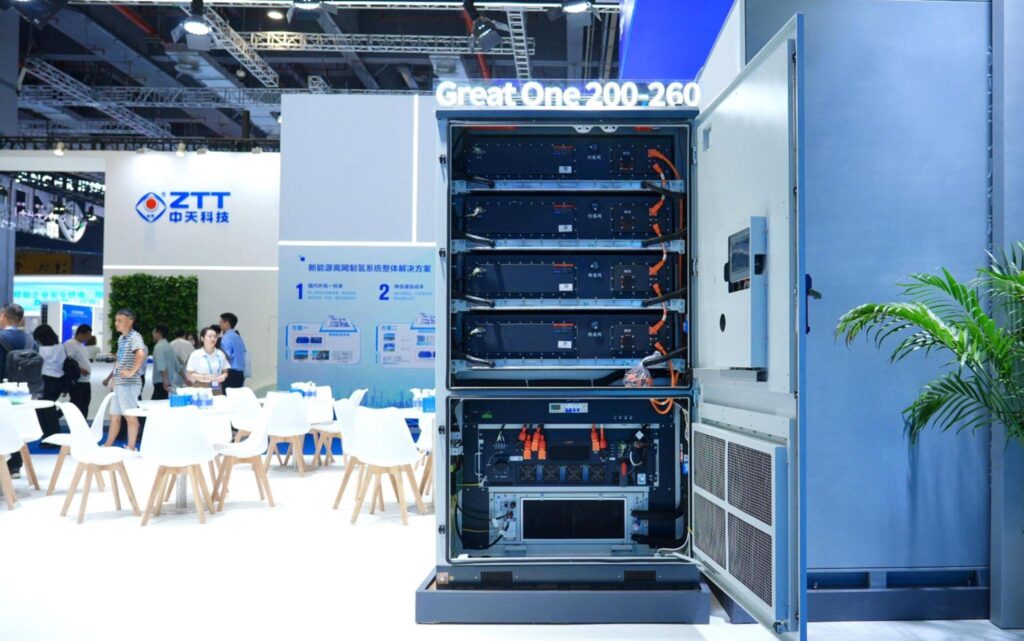
Why Energy Storage Matters for Agricultural Automation
Modern farms can contain many electrically powered systems operating at different times. Irrigation pumps may create substantial loads, while sensors, communication equipment, controllers, and automated ventilation systems may require continuous or highly reliable power.
Solar generation can help meet these requirements, but photovoltaic output changes with sunlight, weather, and time of day. The U.S. Department of Energy explains that energy storage can capture electricity and release it later, helping align renewable generation with demand.
This flexibility is particularly relevant to automated agriculture. A storage system can provide electricity after sunset, during cloudy periods, or when automated equipment requires power outside the main solar-generation window.
Agricultural load shifting is also gaining attention. A 2026 California Energy Commission project demonstrated how programmable irrigation software can shift agricultural pumping loads away from peak demand periods while maintaining farming operations.
Energy Storage System Integration With Smart Irrigation
Irrigation is one of the clearest applications for energy storage in agricultural automation. Automated irrigation platforms can combine soil-moisture measurements, weather information, pump controls, and energy-management functions to determine when and how much water should be supplied.
A battery can complement this control strategy by storing excess solar electricity and supplying pumps or control equipment when solar output is insufficient. This allows energy management to become part of the irrigation decision rather than treating power availability as a separate issue.
The long-term opportunity is greater coordination between water management and electricity management. Instead of operating pumps whenever electricity is available, automated systems can increasingly consider crop requirements, weather forecasts, electricity prices, renewable generation, and storage conditions simultaneously.
Supporting Autonomous Agricultural Machinery
Agricultural automation is expanding to autonomous tractors, harvesting robots, electric equipment, drones, and monitoring platforms. Solar-powered agricultural robots face challenges such as energy storage, weather variability, durability, cost, and battery weight.
For larger farms, stationary energy storage can support charging infrastructure for electric machinery. Stored electricity can reduce dependence on grid availability and variable renewable generation. As farm electrification grows, battery storage could also help balance local energy demand and improve grid stability.
Combining Storage With Intelligent Energy Management
Future agricultural automation will increasingly rely on coordinated energy management. Sensors can track solar generation, battery status, equipment demand, soil conditions, and weather, allowing energy-management systems to optimize operations.
By integrating photovoltaic systems, battery storage, IoT monitoring, precision irrigation, and agricultural robotics, farms can develop smart microgrids. Solar power can support daytime operations, while stored energy can provide electricity for evening irrigation or equipment charging and reduce grid consumption during peak-price periods.
What Future Energy Storage Systems May Need
The storage requirements of agricultural automation will vary considerably. A remote irrigation site may prioritize reliability and simple operation, while a large agricultural enterprise may need a higher-capacity system that coordinates multiple loads and renewable resources.
Scalability will therefore be important. Farms may begin with energy storage for irrigation and later add electric machinery, processing equipment, cold storage, or additional renewable generation.
Great Power‘s product portfolio includes Energy Storage Cells, Utility-Scale Energy Storage Systems, C&I Energy Storage Systems, Consumer Batteries, EV Batteries, and Intelligent PV solutions. Its C&I storage range includes products such as MAX-20HC-5000, which provides 5,000 kWh capacity and integrates into a 20-foot container design. The published specifications state battery cell efficiency of at least 96% and DC-side round-trip efficiency of 96% at 0.25p and 95% at 0.5p.
The Max-20HC-3440 is another containerized option listed by the company. It is designed for wind or photovoltaic generation and areas with significant peak-valley price differences or large daily load fluctuations. The product page specifies greater than 95% DC charge and discharge energy efficiency and a designed 15-year service life.
The Future Role of an Energy Storage Company
As agricultural automation develops, farms will increasingly need partners that understand both storage technology and system integration. An energy storage company should be evaluated not only by battery specifications but also by its ability to support scalable energy architectures.
Future projects may require coordination among photovoltaic systems, storage, electric machinery, automated irrigation, farm-management software, and grid connections. Compatibility with energy-management systems and monitoring platforms can therefore become as important as storage capacity itself.
Great Power has more than 20 years of experience in lithium-ion battery manufacturing and research and development. Its product portfolio covers multiple energy and battery applications, while its storage solutions are positioned for commercial and industrial, utility-scale, microgrid, and intelligent PV scenarios.
Building Smarter and More Resilient Farms
The future of agricultural automation will depend on more than increasingly capable machines. Farms also need an energy infrastructure that can supply those machines efficiently and reliably.
An Energy Storage System can connect renewable generation with automated agricultural loads, helping farms manage changing electricity demand while supporting irrigation, machinery charging, sensing, and other operations. As automation, electrification, renewable generation, and intelligent controls continue to converge, storage is positioned to become an increasingly important foundation of smart agricultural infrastructure.