Four-Ball Wear Testing: How Aerosol Lubricant Manufacturers Evaluate Anti-Friction Performance
Lubricant performance cannot be judged only by how easily a product sprays, spreads, or reduces visible friction during initial use. In mechanical systems, surfaces experience continuous pressure, repeated movement, and microscopic contact points that gradually influence equipment reliability.
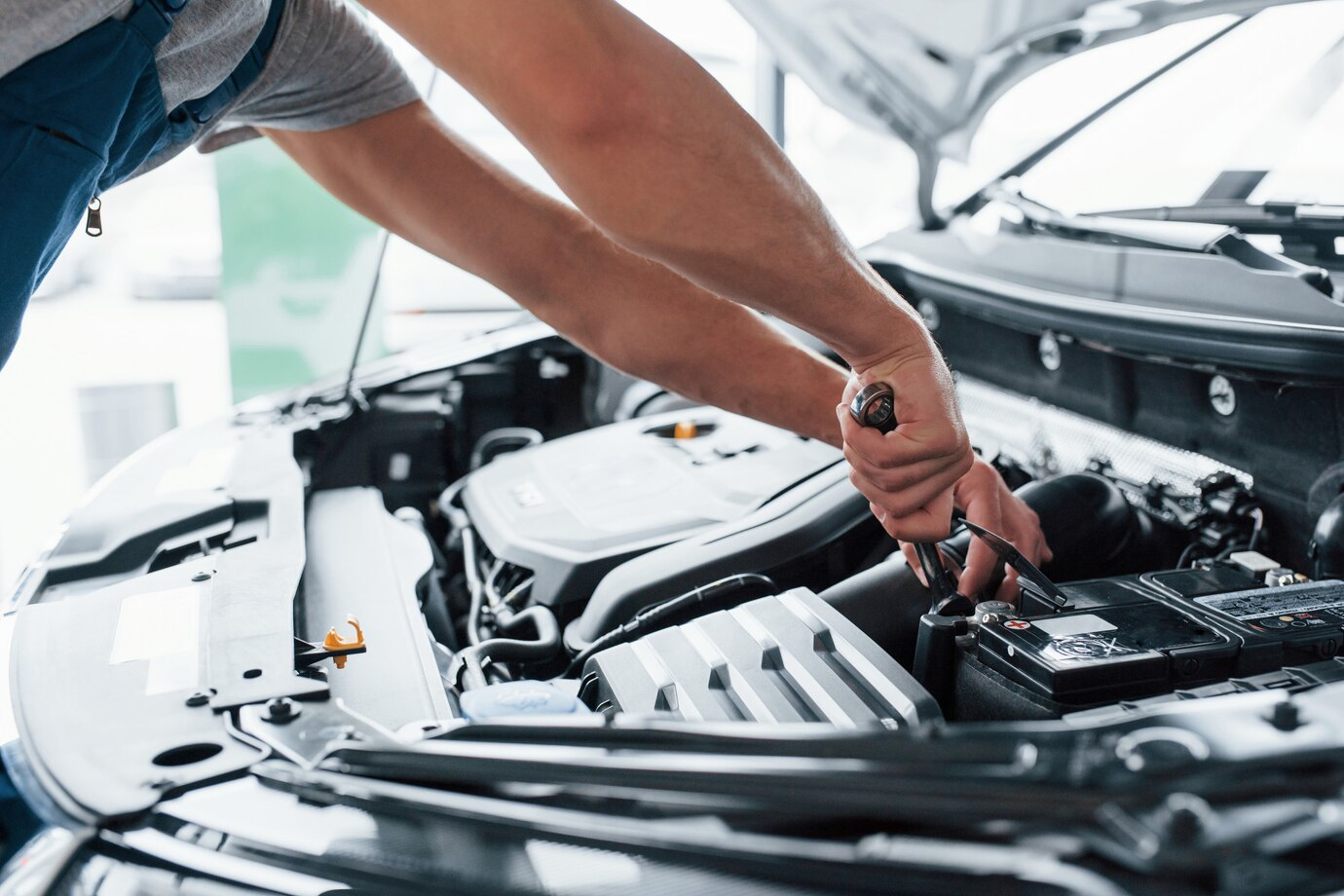
Four-ball wear testing provides a standardized method for studying how lubricants protect metal surfaces under controlled friction conditions. SANVO evaluates technical performance factors related to lubrication efficiency and applies testing knowledge to support the development of aerosol lubricant solutions for industrial and maintenance applications.
Why Four-Ball Testing Is Important for Aerosol Lubricant Evaluation
Aerosol lubricants are often selected for applications where users expect quick application and effective protection in difficult-to-reach areas. However, convenient application does not automatically indicate strong anti-friction performance.
Four-ball testing allows manufacturers to examine the protective ability of a lubricant film when metal surfaces experience mechanical contact. This information helps manufacturers assess whether a formulation can reduce surface damage and maintain lubrication under the specified test conditions.
For an aerosol lubricant manufacturer, the test provides valuable performance data during product development because it reveals how the lubricant behaves under controlled wear conditions.
Understanding the Contact Conditions Created During Testing
The four-ball test creates a concentrated contact area between metal surfaces. This arrangement allows researchers to study lubricant behavior under pressure levels that simulate challenging mechanical conditions.
During operation, moving components may experience repeated contact that creates heat and friction. Depending on its formulation, a lubricant may reduce direct surface contact through fluid-film lubrication or other protective mechanisms.
By controlling load, speed, temperature, and testing duration, manufacturers can examine how different lubrication systems respond to mechanical stress.
Wear Scar Analysis and Surface Protection Evaluation
After the four-ball test is completed, the damaged areas on the metal balls are measured. The size and appearance of these wear scars provide information about the lubricant’s protective capability.
A smaller wear scar often indicates that the lubricant has reduced surface damage more effectively. However, professional evaluation also considers the condition and appearance of the wear pattern.
The shape of the wear area can reveal whether the lubricant maintained stable protection or whether the protective film broke down during testing.
Friction Coefficient Measurement During Four-Ball Testing
Wear protection and friction reduction are related but not identical performance characteristics. A lubricant may reduce friction effectively while requiring additional evaluation for long-term wear protection.
The friction coefficient measured during four-ball testing provides information about resistance between moving surfaces. Lower friction values can indicate smoother interaction between components.
Manufacturers analyze friction changes throughout the test rather than focusing only on the final result. Stable friction performance may indicate that the lubricant film remains effective during continuous movement.
How Test Parameters Influence Performance Interpretation
Four-ball test results are closely connected with testing conditions. Changes in load, rotation speed, temperature, or test duration can produce different performance outcomes.
A lubricant designed for light maintenance applications may show different results compared with one developed for heavy mechanical loads.
Therefore, manufacturers interpret test data according to the intended application category. The purpose of testing is not only to obtain numbers but to understand how the lubricant behaves under relevant operating conditions.
Using Four-Ball Results During Product Development
Four-ball testing plays an important role in formulation improvement. When performance data does not meet target requirements, engineers can investigate how different formulation elements influence friction and wear behavior.
Changes in base lubricant properties, additive systems, or protective components may affect test outcomes.
The testing process helps development teams identify which formulation approaches provide stronger surface protection and better anti-friction characteristics for specific applications.
Connecting Laboratory Results With Equipment Performance
Although four-ball testing is performed under controlled conditions, the information helps predict how lubricants may behave in real mechanical systems.
Equipment such as bearings, gears, chains, and sliding mechanisms can experience similar challenges involving pressure and surface movement.
Manufacturers use four-ball results together with application knowledge to affect whether a lubricant is suitable for a particular operating environment.
Matching Four-Ball Test Results With Aerosol Lubricant Applications
For aerosol lubricant manufacturers, four-ball test results are most useful when interpreted alongside the functional requirements of the target application. Different mechanical components require different levels of friction control, wear protection, and load-bearing performance, making application-specific evaluation essential.
For example, lubricants intended for chains and moving mechanical parts may need to balance friction reduction with wear protection, while products developed for metal components exposed to repeated contact may require greater emphasis on resistance to surface damage. For general maintenance applications, manufacturers may also need to consider how lubrication performance aligns with the product’s intended use and application method.
By comparing laboratory results with these requirements, manufacturers can identify relevant performance characteristics during formulation development and product selection. Four-ball testing therefore serves as one reference for assessing anti-wear performance, alongside other tests that evaluate properties such as corrosion protection, material compatibility, and spray application behavior.
For buyers, understanding this relationship helps clarify which performance data matters for a particular use case. Rather than selecting an aerosol lubricant based on a single test value, they can evaluate whether the product’s overall characteristics match the demands of their equipment and maintenance tasks.
The Role of Testing Data in Customer Technical Decisions
For industrial buyers, technical test results provide a more reliable basis for lubricant selection than marketing descriptions alone.
Four-ball data helps engineers compare products, understand expected protection levels, and evaluate whether a lubricant matches equipment demands.
When combined with information about operating conditions, maintenance schedules, and application methods, test data becomes a practical tool for improving lubrication decisions.
Conclusion
Four-ball wear testing is an important evaluation method used to understand how aerosol lubricants perform under friction and pressure. By examining wear characteristics, friction behavior, and test responses under controlled conditions, manufacturers can develop more reliable lubrication solutions.
Achieving optimal surface protection and friction reduction in mechanical systems requires more than standard formulations. It demands a rigorous technical evaluation approach—one that SANVO applies to its aerosol lubricant products.