
Five Key Roles of Buses in Modern Public Transportation Networks
Public transportation systems rarely rely on a single type of vehicle. Different routes require different passenger capacities, operating ranges, accessibility features, and energy solutions. A China electric bus can support this changing landscape by providing locally emission-free transport across suitable urban and regional services.
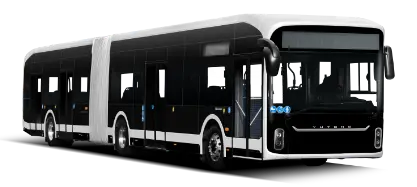
However, its practical value depends on how well the vehicle matches passenger demand, infrastructure, and daily operating schedules. Yutong Bus is part of China’s commercial vehicle industry, with experience in developing buses for domestic and international markets. Its applications illustrate how bus technology can serve several distinct public transport needs.
Urban Commuter Services
High-frequency city routes are among the most visible applications of public buses. These services connect residential communities with commercial districts, schools, hospitals, and transport interchanges. Since vehicles stop frequently and passenger numbers fluctuate throughout the day, operators need to consider acceleration performance, passenger circulation, door arrangements, and energy consumption.
Electric propulsion can be particularly suitable for predictable urban routes with access to depot or opportunity charging. Regenerative braking recovers part of the energy normally lost during deceleration, while the absence of tailpipe emissions during operation can benefit air quality along busy streets. Charging schedules and battery capacity must still reflect actual mileage, traffic conditions, and climate-control demand.
Suburban and Regional Connections
Suburban routes often cover greater distances than inner-city services, with fewer stops and longer intervals between passenger exchanges. These services connect outlying residential areas to employment centers, railway stations, and urban transport hubs. Vehicle planning must account for longer journey times, changing passenger volumes, and the availability of charging facilities outside city centers.
A China electric bus used on regional routes needs sufficient usable energy for its scheduled mileage, including a practical reserve for traffic delays or diversions. Route gradients, road speeds, passenger loads, and seasonal temperatures all influence energy demand. Operators should evaluate real-world route data rather than rely exclusively on standardized range figures when determining vehicle suitability.
Airport, Railway, and Transport Hub Shuttles
Transport hubs generate concentrated passenger demand around arrival and departure schedules. Airport and railway shuttles may operate continuously during peak periods, carrying passengers with luggage between terminals, parking areas, hotels, and connecting transport services. Wide access areas, suitable luggage storage, and efficient boarding arrangements can be as important as passenger capacity.
Electric buses can support these services where charging infrastructure is available near terminals or maintenance facilities. Their predictable operating circuits may make energy planning more manageable than services with frequent route changes. However, operators must also consider vehicle turnaround time, charging access, and the possibility of sudden demand increases caused by delayed flights or trains.
Tourism and Sightseeing Transport
Tourism services have different priorities from conventional commuter operations. Passengers may spend longer periods onboard, making seating comfort, visibility, interior climate, and ride quality important considerations. Sightseeing routes can also involve narrow streets, historic districts, steep roads, or locations with restrictions on vehicle access.
Electric propulsion may be suitable for tourism routes that operate within defined geographic areas and have reliable charging opportunities. Lower noise during operation can contribute to a more comfortable experience in destinations where traffic noise is a concern. Route planners should still assess gradients, seasonal passenger demand, luggage requirements, and the distance between charging points before assigning vehicles.
Public Service and Specialized Mobility
Public transport networks also support services that extend beyond ordinary commuter travel. Buses may be allocated to hospital connections, community mobility programs, educational transport, and temporary shuttle operations during major events. These applications can involve specific requirements for wheelchair access, passenger assistance, flexible scheduling, or higher service frequency.
Vehicle configuration should reflect the needs of the people using each service. Accessibility features, boarding height, handrails, designated mobility spaces, and clear passenger information can influence whether a bus is practical for its intended role. A China electric bus can contribute to these services when its capacity, equipment, operating range, and charging arrangements align with the local transport plan.
The international scale of the bus industry also demonstrates how varied these applications can become. Yutong Bus reports export sales exceeding 130,000 units and a presence in more than 100 countries. These figures indicate a broad international footprint, although local operating conditions and regulatory requirements still determine which vehicle configurations are appropriate for individual markets.
Conclusion
Urban commuting, regional connections, transport hub shuttles, tourism, and specialized public services each place different demands on public transport vehicles. Electrification can support cleaner operation across these applications, but successful deployment depends on route suitability, charging access, passenger requirements, and long-term maintenance planning.
Yutong Bus provides an example of a manufacturer serving varied transport markets, while its reported export presence reflects the international scope of the industry. Ultimately, a well-planned fleet is built around the actual needs of its passengers and the operating conditions of each route.