
Dealing With Loneliness and Rebuilding Meaningful Social Connections
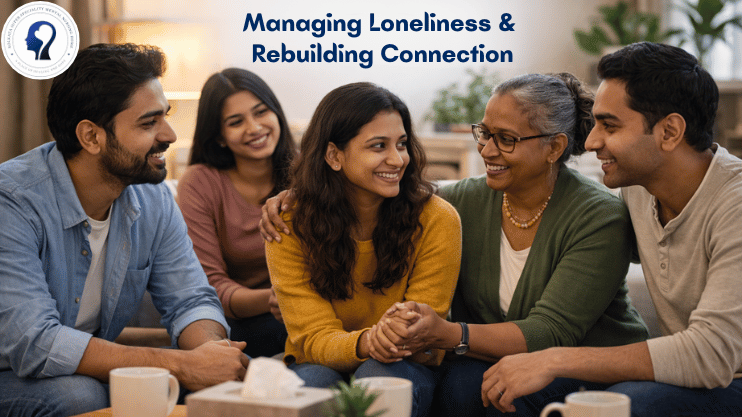
Loneliness is often associated with being physically alone, but the reality can be more complicated. Someone can have colleagues, family members and hundreds of social media connections while still feeling emotionally isolated.
Loneliness is less about the number of people around us and more about whether we feel genuinely connected to them.
There are many reasons why someone might experience loneliness.
Moving to a new area, working from home, retirement, relationship breakdown, bereavement or changes within friendship groups can all reduce regular social contact.
Sometimes loneliness develops gradually.
Busy working lives can mean friendships receive less attention. People move away, start families or develop different interests. Before long, someone may realise that they no longer have the social network they once relied upon.
Loneliness can also become self-reinforcing.
When people feel isolated, they may lose confidence in social situations. An invitation can create anxiety rather than excitement, leading them to decline.
Unfortunately, avoiding social opportunities can increase isolation and make attending the next event feel even more difficult.
For those looking for counselling in Derby, professional counselling can provide a confidential environment in which to explore feelings of loneliness and understand barriers that may be making social connection more difficult.
One useful starting point is considering the type of connection that is missing.
Some people have plenty of casual acquaintances but nobody they feel comfortable discussing personal concerns with. Others may have close family relationships but want friendships based around shared interests.
Understanding what you are actually looking for can make rebuilding connections more purposeful.
Small steps can be effective.
Joining a sports club, exercise class, community group or volunteering organisation can provide regular contact with people who already share an interest.
Consistency is important.
Attending something once and not immediately forming friendships does not mean it has failed. Relationships generally develop through repeated contact over time.
Reconnecting with existing friends can also be worthwhile.
People sometimes assume that because they have not spoken to someone for months or years, contacting them would feel awkward. In reality, the other person may be equally pleased to reconnect.
Technology can help maintain relationships across distance, but it is useful to consider whether online interaction is replacing rather than supporting meaningful connection.
Scrolling through social media can create the impression of social activity without necessarily providing genuine interaction.
Loneliness can also affect the way we interpret situations.
Someone who already feels isolated may assume that a friend declining an invitation means they are not interested in the friendship, when the person may simply be busy.
Counselling can help examine these assumptions and consider whether previous experiences are influencing current expectations.
It is also important to become comfortable with some time alone.
Being alone and being lonely are not necessarily the same thing. Developing hobbies and activities that can be enjoyed independently can reduce the feeling that wellbeing depends entirely on other people’s availability.
However, humans are naturally social, and wanting meaningful relationships is completely normal.
If loneliness has begun affecting mood, confidence or motivation, it deserves attention rather than embarrassment.
Building connections takes time, particularly after a major life change. Starting with small, regular opportunities for interaction can gradually create familiarity and confidence.
Meaningful relationships rarely appear instantly. They develop through shared experiences, repeated conversations and the willingness to allow other people into our lives