How Different Potato Varieties Change The Way You Cook
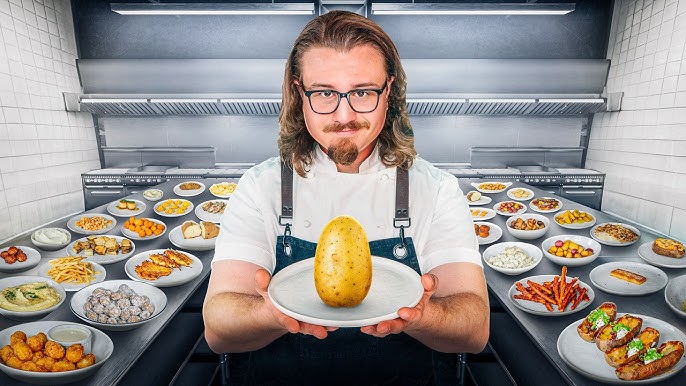
One of the most versatile foods used in kitchens all around the globe is potatoes. Depending on the kind and preparation method, they may become crispy, creamy, fluffy, or hard. Every kind of potato has a different texture, moisture content, and starch content, despite the fact that many people treat them all the same. You may create dishes with improved flavor, presentation, and consistency by being aware of these changes.
The Significance Of Potato Variety
Different potatoes respond differently to heat. While some maintain their form after boiling or roasting, others become light and airy after baking. The ultimate outcome is mostly determined by the starch and moisture content of each potato.
The likelihood of unsatisfactory meals is also decreased by selecting the appropriate variety. While certain potatoes remain solid enough for salads but never become as fluffy when baked, others that are great for mashed meals could crumble in soups.
Comprehending Waxy, Starchy, And All-Purpose Potatoes
In general, there are three types of potatoes.
Starchy potatoes are low in moisture and heavy in starch. They are ideal for baking, frying, and fluffy mashed potatoes because they provide crisp exteriors and soft interiors.
Waxy potatoes are higher in moisture and lower in starch. They are perfect for potato salads, casseroles, and soups where the pieces should remain intact since they keep firm after cooking.
A balance between the two is provided by all-purpose potatoes. They work well in a variety of dishes and are a sensible option for regular cooking when you desire versatility.
Choosing The Correct Potato For The Correct Recipe
Choosing a better variety may alleviate a lot of culinary issues. Instead of using a single technique for every meal, the first step in learning how to cook potatoes is figuring out which kind is ideal for your recipe.
For instance, high starch potatoes result in baked potatoes with fluffy interiors and crisp French fries. Because they maintain their form even after prolonged cooking, waxy potatoes are great for stews. Varieties of medium starch are suitable for gentle mashing, boiling, and roasting.
Without altering the dish itself, this little modification often enhances texture and flavor.
Different Cooking Methods Lead To Different Outcomes
Each cooking technique brings forth the unique qualities of potatoes.
Starchy potatoes may lose moisture when baked, resulting in a crisp shell and light inside. Particularly with medium starch potatoes, roasting caramelizes the exterior while keeping the inside soft.
Waxy potatoes are particularly good at boiling since they don’t crumble easily. They are ideal for salads and side dishes since they absorb flavors without being mushy.
Steaming keeps potatoes moist while preserving their natural flavor and minerals. For anyone who would rather use healthier cooking techniques without compromising texture, this is a great choice.
Cooking Is Also Affected By Size And Shape
The size of each potato piece is just as crucial as the variety. While smaller portions cook more quickly and absorb spices more evenly, larger chunks take longer to cook.
Every piece cooks at the same time when it is sliced uniformly. This keeps certain portions from being overdone while others stay underdone.
Consistency in size enhances overall quality and presentation, whether roasting, boiling, or frying.
Flavor Variations Are Frequently Ignored
Many people believe that potatoes taste the same; when they are cooked properly, tiny flavor distinctions become apparent.
Certain types have earthy undertones that go nicely with roasted meats and herbs. Others are inherently buttery and don’t need much seasoning. Because caramelization releases natural sugars, certain potatoes acquire richer flavors while roasting.
By being aware of these variations, home chefs may season potatoes more successfully without overpowering their inherent flavor.
Cooking Performance Is Affected By Storage
Improper storage may cause even the greatest potato type to lose quality. Potatoes should be stored in an area that is dry, cold, dark, and well-ventilated. Since cold temperatures may turn starch into sugar, which might alter flavor and browning during cooking, refrigeration is usually not advised.
Green or sprouted potatoes should be avoided since they could contain unfit ingredients. No matter the recipe, fresh, properly kept potatoes always provide excellent cooking results.
Increasing Self-Assurance In The Kitchen
Understanding ingredients is frequently more important for great cooking than following intricate instructions. Selecting the appropriate potato becomes second nature as you get to know the many types. With experience, you will be able to identify with little guessing which potatoes provide crispy fries, creamy mash, filling soups, or flawlessly roasted sides.
Every meal may be significantly improved by making little adjustments to the item choices. You may experience more consistent outcomes, richer textures, and recipes that consistently turn out precisely as planned by keeping an eye on potato types and pairing them with appropriate cooking techniques.