Worried About Interstate Pet Flights? Professional Transport Simplifies Every Journey
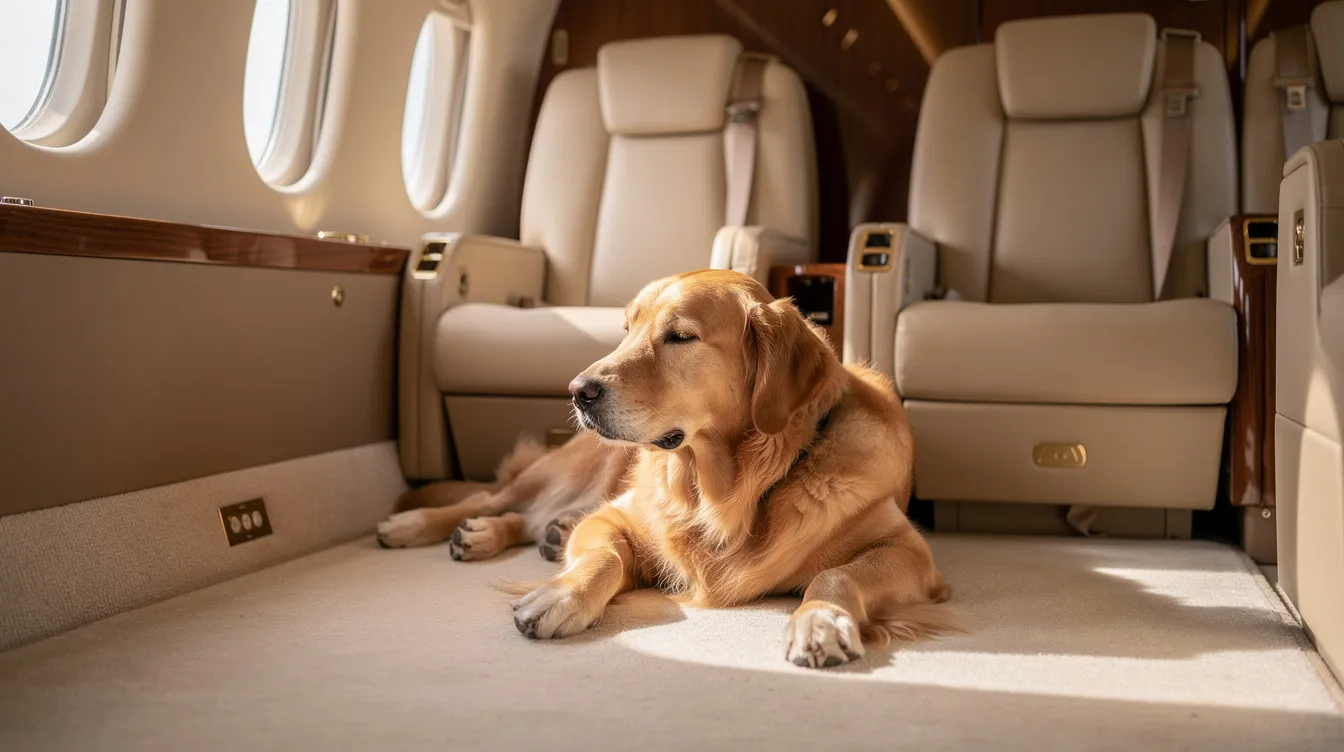
Flying a pet feels risky mainly because of unknowns. Owners rarely know who loads the carrier or checks water. Weather, connection times and boarding cut-offs add further variables. Using Pet transport Melbourne specialists replaces those guesses with a managed plan. Trained handlers oversee everything, from vet checks to final pickup. Airline rules, crate standards and breed limits shape every booking. Arrival logistics matter just as much as departure. Professionals absorb that complexity while owners manage their own move. Handled well, each piece turns stress into routine travel.
Airline Pet Policies Demand Specialist Knowledge
Domestic carriers treat animals as freight, not passengers. Each airline sets its own handling, booking and aircraft rules. Certain routes use aircraft lacking suitable hold conditions. One major carrier accepts pet bookings only through approved companies. Budget airlines refuse animals entirely. Experienced operators know these limits before quoting. That foresight prevents refusals at the cargo counter.
Why Does the Right Crate Matter?
Every travel box must meet international live animal standards. Airline staff inspect each one before loading. A poor fit can stop boarding altogether.
- The animal must stand and turn around freely.
- Wheels get removed so nothing rolls during turbulence.
- Ventilation openings are required on multiple sides.
- Secure fastenings stop the door opening mid-flight.
- Water cups attach where staff can refill them.
Flat-Faced Breeds Need Extra Planning
Snub-nosed breeds struggle to breathe under heat and stress. For that reason, airlines apply stricter rules here. Bookings must go through an approved specialist. Approved Pet transport Melbourne providers keep pugs and Persians flying on time. Larger enclosures and cooler departure windows are common requirements. Summer travel may face extra restrictions too.
What Happens Between Check-In and Arrival?
Animals fly in a pressurized, temperature-controlled hold. Lodgement happens at a dedicated freight terminal, not passenger check-in. Before departure, handlers record weight and confirm paperwork. After landing, staff move each kennel to a cool holding area. Door-to-door services then deliver the animal home. Owners skip the airport queues entirely.
Should Owners Prepare Pets Before Flying?
Preparation starts weeks ahead, not on travel day. Calm animals cope with engine noise far better.
- Crate training builds early familiarity.
- Vets confirm fitness before booking.
- Sedation is avoided at altitude.
- Familiar bedding eases travel anxiety.
- Light meals prevent upset stomachs.
Pets over twelve need a health certificate.
A Clipped Water Cup Says Everything
Owner worry rarely centers on the flight itself. It centers on handovers, moments nobody seems responsible for. Professional transport assigns a named person to each stage. A vet signs off fitness. A handler weighs the carrier at the freight counter. Someone confirms staff can reach the water cup. That small plastic cup, clipped correctly, shows the whole system working.
FAQs
Can owners fly on the same plane as their pet?
Matching flights is possible, though never guaranteed. Hold space for animals is limited, so booking several weeks early improves the odds.
Do interstate moves involve quarantine rules?
Certain states restrict specific animals, and those rules change over time. Transport specialists check current interstate requirements before confirming any booking.
Can two pets share one travel crate?
Two compatible animals of similar size may travel together if they already live together. The crate must still let both stand and turn comfortably.
Is sedation recommended before a flight?
Most vets advise against it, since sedatives affect breathing and balance at altitude. Crate training and a calm routine work far better.
How far ahead should a pet flight be booked?
Two to four weeks gives time for vet checks, crate training and securing hold space. Peak holiday periods fill quickly, so earlier bookings secure better flight options.