
The Ultimate Guide to Understanding Energy Storage Systems
Modern power networks face a fundamental challenge: electricity generation from renewable sources does not always match real-time consumption. Solar panels produce energy during daylight hours, while wind farms depend on changing weather conditions. Energy storage systems provide a practical way to capture available electricity and make it accessible when power demand increases.
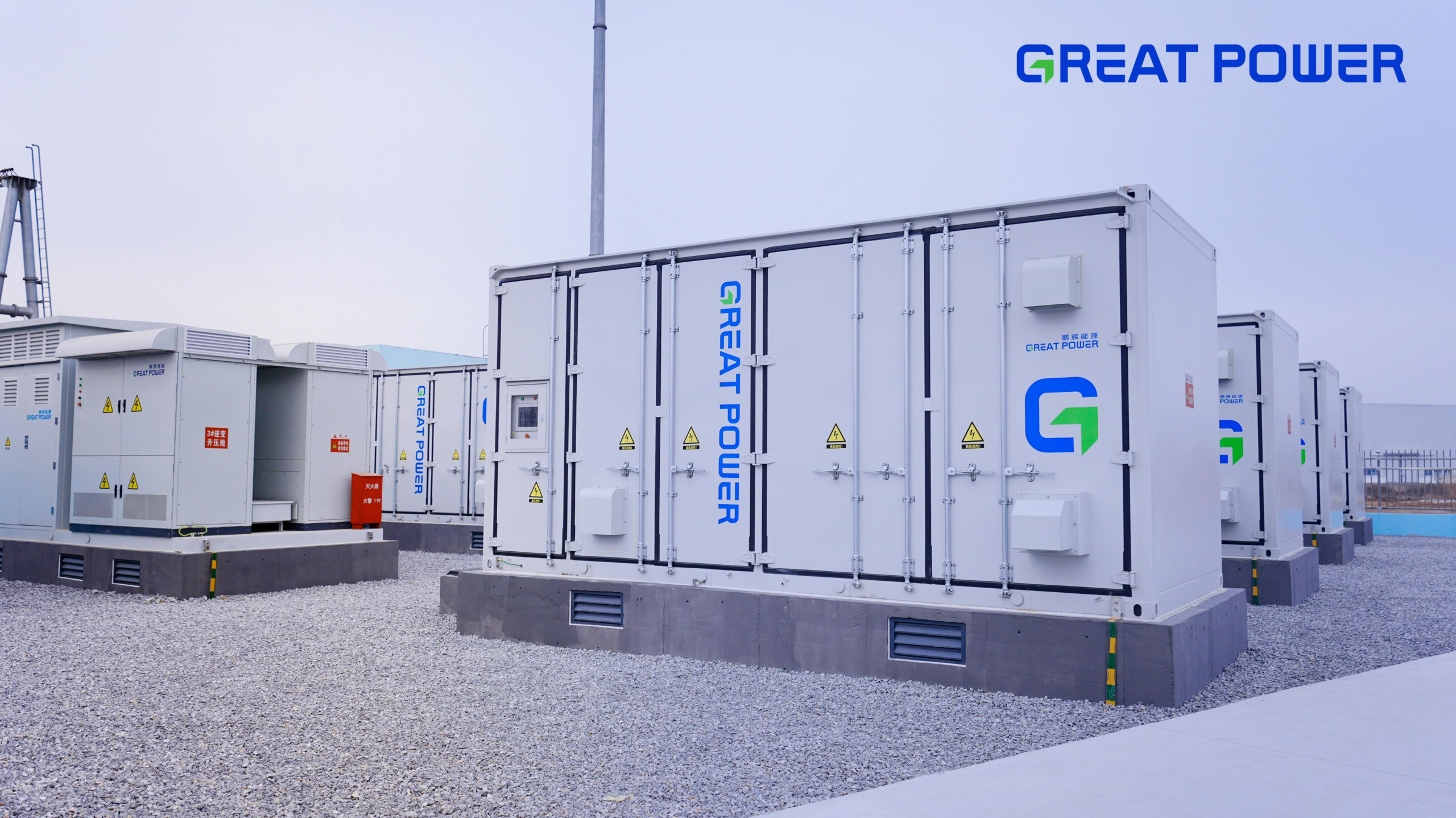
Understanding how these systems work helps businesses, households, and energy developers choose suitable solutions for reliable power management. An energy storage company supports customers by combining battery technology, system integration expertise, and application knowledge to address different energy requirements.
What Are Energy Storage Systems?
Energy storage systems are integrated technologies that store electrical energy and release it when needed. These systems can store surplus electricity that might otherwise be curtailed and release it during periods of higher demand or limited generation.
The core function of an energy storage system is energy balance. When renewable energy production exceeds consumption, stored electricity can be preserved for later use. When electricity generation decreases, the stored power can support operations and maintain energy availability.
Li-ion Batteries are widely used in modern storage applications because of their high energy density, efficient charging capability, and flexible design. These characteristics allow storage systems to support various applications, including residential energy backup, commercial facilities, industrial operations, and portable power solutions.
How Do Energy Storage Systems Work?
Energy storage systems operate through several coordinated components that manage energy collection, storage, conversion, and distribution. Battery modules store electrical energy, while power conversion equipment transforms electricity into a usable form for different applications.
The battery management system is a critical part of the overall structure. It monitors parameters such as voltage, current, temperature, state of charge, and state of health to support safe and stable operation. Effective management helps improve battery performance and supports longer service life.
Energy management software adds another layer of intelligence by analyzing energy usage patterns. These systems can schedule battery charging and discharging based on load conditions, generation data, tariffs, and configured operating strategies .
Main Components of Energy Storage Systems
Battery technology determines the overall performance of an energy storage system. Li-ion Batteries remain a preferred option because they offer a strong combination of reliability, energy capacity, and operational flexibility. Different battery designs can be adapted according to specific project requirements.
The battery management system protects the battery from conditions that may affect safety or performance. Continuous monitoring allows the system to respond to changes in operating conditions and maintain consistent energy output.
In addition to hardware, system integration is essential. A complete BESS typically integrates battery racks, a BMS, power conversion equipment, thermal management, protection devices, and an energy management system. An experienced energy storage company evaluates these elements together to create solutions that match customer expectations.
Why Are Energy Storage Systems Important?
Energy storage systems solve one of the biggest challenges in renewable energy: inconsistent power generation. Renewable sources such as solar and wind cannot always produce electricity at the exact moment users need it. Storage technology bridges this gap by providing a dependable energy reserve.
Grid stability is another major benefit. Stored electricity can support power networks during peak demand periods and reduce pressure on traditional generation sources. This capability makes energy storage an important tool for building more flexible energy infrastructure.
Businesses also use storage systems to improve energy efficiency. Commercial and industrial facilities can store electricity during suitable periods and use it when demand or electricity costs are higher. This approach helps organizations manage energy consumption more effectively.
Applications of Energy Storage Systems
Residential energy storage systems allow homeowners to store electricity generated from renewable sources such as solar panels. The stored energy can support selected loads during outages when the system includes suitable backup and islanding capabilities.
Commercial applications require larger and more advanced storage solutions. Offices, factories, and commercial buildings use energy storage systems to improve reliability, support operational continuity, and optimize electricity usage.
Utility-scale projects represent another important application area. Large battery installations help manage renewable energy integration, improve grid flexibility, and support the transition toward cleaner electricity systems.
Portable energy solutions are also expanding the role of battery technology. Compact storage products provide convenient power access for outdoor activities, emergency situations, and mobile applications. The development of Great Power battery technology demonstrates how advanced batteries can support diverse energy needs beyond traditional grid applications.
How to Choose The Right Energy Storage System?
Selecting an energy storage system requires careful consideration of several factors. Customers need to evaluate energy capacity, power output, installation environment, expected usage patterns, and future expansion possibilities.
Safety should remain a priority during the selection process. Reliable storage systems depend on quality materials, advanced battery management, and strict manufacturing practices. These factors influence system stability and long-term performance.
Scalability is equally important for growing energy demands. Customers planning future expansion should verify whether the battery, PCS, electrical infrastructure, and control architecture support additional capacity. Professional guidance from experienced providers helps customers identify solutions that balance performance, safety, and cost.
Great Power focuses on battery technology development and energy storage solutions designed for different application scenarios. The company provides technologies that support the evolving needs of customers seeking dependable energy management options.
Future Development of Energy Storage Systems
The future of energy storage systems will be shaped by improvements in battery efficiency, intelligent management, and renewable energy integration. Advanced technologies are expected to create storage solutions with better performance, improved reliability, and broader application opportunities.
Digital monitoring and smart control systems will continue to influence how storage solutions operate. These technologies allow users to understand energy usage more clearly and optimize system performance.
The growing demand for sustainable electricity solutions will continue driving innovation across the energy storage industry. Companies that combine battery expertise with practical application knowledge will contribute to the development of more resilient energy networks.
Conclusion
Energy storage systems have become a key technology for managing modern electricity challenges. They provide a reliable method to store renewable energy, improve power availability, and support more efficient energy consumption.
A complete understanding of storage technology, system components, and application requirements helps customers make informed investment decisions. Working with an experienced energy storage company allows users to select solutions that match their specific energy goals.
A more sustainable and intelligent energy system is becoming the norm, and the ongoing development of Great Power battery solutions is a reflection of this trend. Despite the ever-shifting energy market, Great Power is committed to assisting customers in developing more reliable power management systems and supporting the development of energy storage.