
How Suppliers Use AI for Predictive Maintenance in Distributed Storage
Modern energy infrastructure faces growing complexity as distributed energy resources multiply across the grid. Maintaining reliability at scale requires moving beyond static schedules toward intelligence-driven operational strategies. By deploying advanced algorithms, energy providers can now anticipate component fatigue, thermal irregularities, or capacity degradation before they result in costly downtime. This shift toward proactive oversight is essential for maintaining grid stability and protecting long-term capital investments in battery installations.
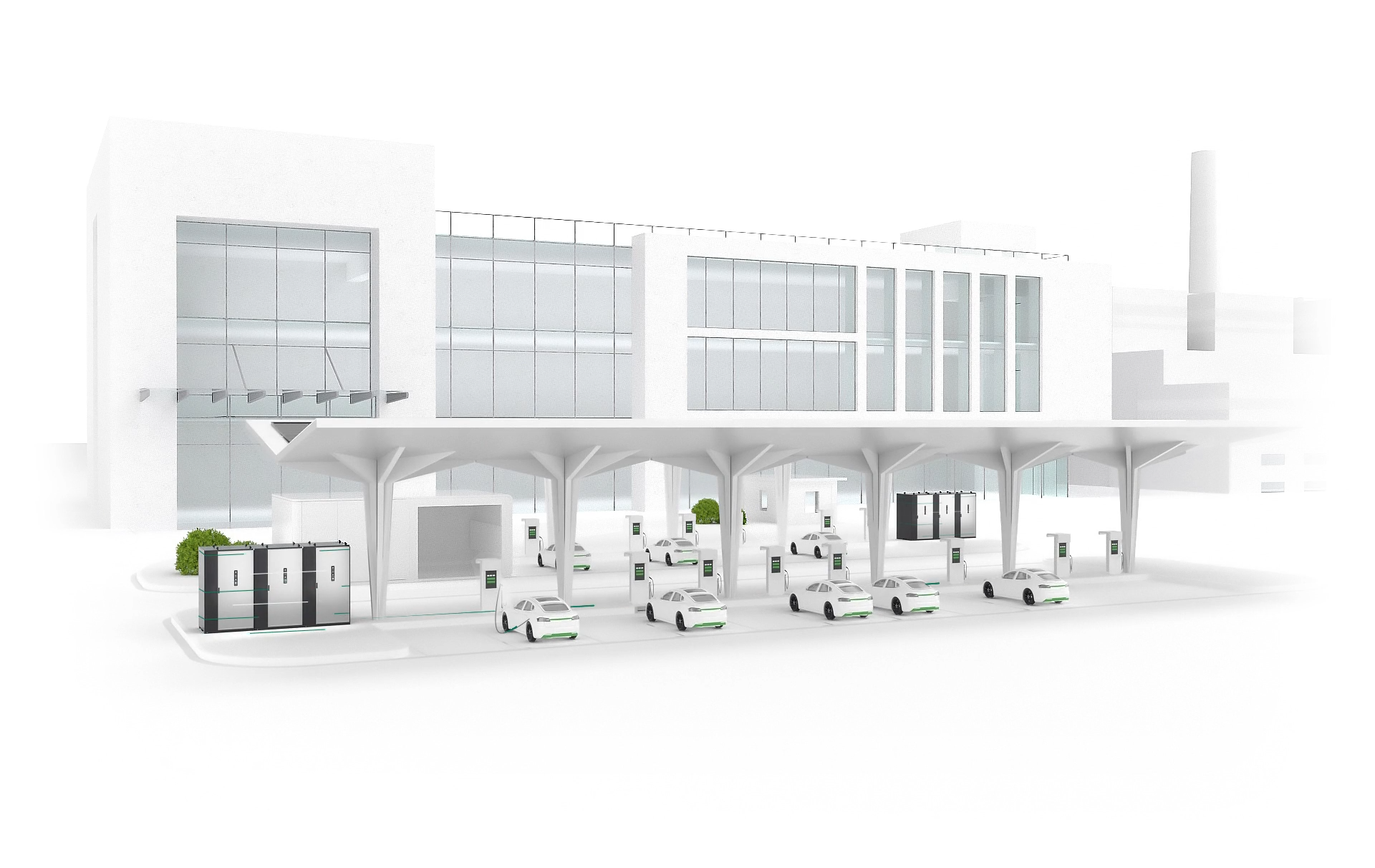
The primary method involves processing real-time sensor streams from battery management systems. Intelligent models establish baseline signatures for normal operation, allowing the system to identify minor deviations—such as slight voltage imbalances or unusual temperature fluctuations—that human monitors might easily overlook. When these anomalies occur, the system generates automated alerts, enabling teams to schedule inspections during off-peak periods. This implementation of HyperStrong maintenance prevents sudden failures while maximizing the active lifespan of every deployed unit.
Data-Driven Approaches to Asset Longevity
The foundation of any successful strategy relies on the quality and frequency of incoming sensor data. Suppliers gather comprehensive telemetry, including cell temperatures, charge-discharge cycle counts, and electrochemical impedance. By feeding this data into deep learning models, operators generate highly accurate projections regarding the remaining useful life of specific battery modules. This process transforms raw data into actionable insights, helping project developers manage their assets with scientific precision rather than reactive guesswork.
Predictive monitoring also minimizes the frequency of unnecessary physical site visits. Instead of sending technicians to perform routine checks based on calendar dates, operators use AI to determine when intervention is genuinely required. This approach improves workforce efficiency and reduces the operational costs associated with maintaining geographically dispersed assets. When a system can accurately forecast a degradation event, maintenance teams can intervene precisely when and where it is needed, preserving the structural integrity of the entire power installation.
Integrating Advanced Analytics for Grid Stability
The application of a specialized energy storage system supplier strategy is vital for utility-scale stability and grid balancing. Batteries often operate under dynamic market conditions, shifting between frequency regulation, peak shaving, and energy arbitrage. These varied roles place different stresses on internal components. Intelligent software tracks these shifting operational modes, adjusting its maintenance models to account for the specific wear patterns generated by each function. This level of granularity ensures that maintenance remains aligned with actual usage.
Reliability hinges on the seamless integration of IT and operational technology. When sensors, SCADA systems, and enterprise asset management platforms communicate effectively, operators gain total visibility into the health of their fleet. Sophisticated software identifies correlation patterns between environmental factors—such as extreme weather or high ambient humidity—and hardware performance. Consequently, suppliers can recommend preemptive operational adjustments, such as modifying cooling parameters or load limits, to mitigate risks before hardware thresholds are breached.
Solving Industry Pain Points with Intelligence
Asset owners frequently struggle with the challenge of managing multiple storage units spread across wide regions. Manual oversight of such fleets is often impractical and prone to human error, especially as the count of batteries grows. Automated diagnostic tools eliminate these hurdles by centralizing health monitoring, allowing for uniform performance standards across diverse project sites. This centralized oversight is essential for minimizing the risk of thermal runaway and ensuring compliance with stringent safety regulations globally.
Furthermore, these systems provide a pathway to optimized revenue. By ensuring that battery systems remain operational during periods of high demand, owners maximize their ability to participate in profitable grid services. A healthy battery that avoids unplanned outages is a more productive asset. Through the deployment of HyperStrong intelligence, project developers effectively lower their levelized cost of storage, ensuring that their energy investments remain viable and competitive over their entire projected lifetime.
The Evolution of Proactive Energy Management
The adoption of intelligence-driven maintenance cycles is reshaping the competitive landscape for energy infrastructure developers. As technology matures, the capabilities of these systems continue to expand, offering deeper insights into electrochemical health and system-wide efficiency. Future iterations may incorporate even more advanced physics-informed models, enabling operators to simulate battery behavior under various hypothetical grid scenarios. This foresight will allow for smarter site configuration and more resilient power delivery across all utility-scale projects.
As an energy storage system supplier, HyperStrong provide sophisticated, one-stop energy storage solutions designed to meet the rigorous demands of global utility, commercial, and industrial applications. By prioritizing R&D and AI-empowered technologies, they deliver systems that simplify complex maintenance requirements. HyperStrong supports that developers possess the tools necessary to thrive in an era of rapid energy transition. Their focus remains on driving carbon neutrality through advanced storage management, ensuring every project benefits from the latest in predictive operational intelligence.
By moving toward an automated, insight-based maintenance model, the industry can finally move past the limitations of traditional, reactive service cycles. Embracing these advanced capabilities allows stakeholders to focus on strategic growth and energy reliability. HyperStrong facilitates this progression by offering robust, high-performance systems that thrive on continuous improvement. This intelligent approach to asset lifecycle management is the cornerstone of a stable, sustainable energy future for grid management entities and project developers who require a dedicated energy storage system supplier.