
Efficiency, Capacity, and Brewing Technology in Modern Commercial Coffee Brewers
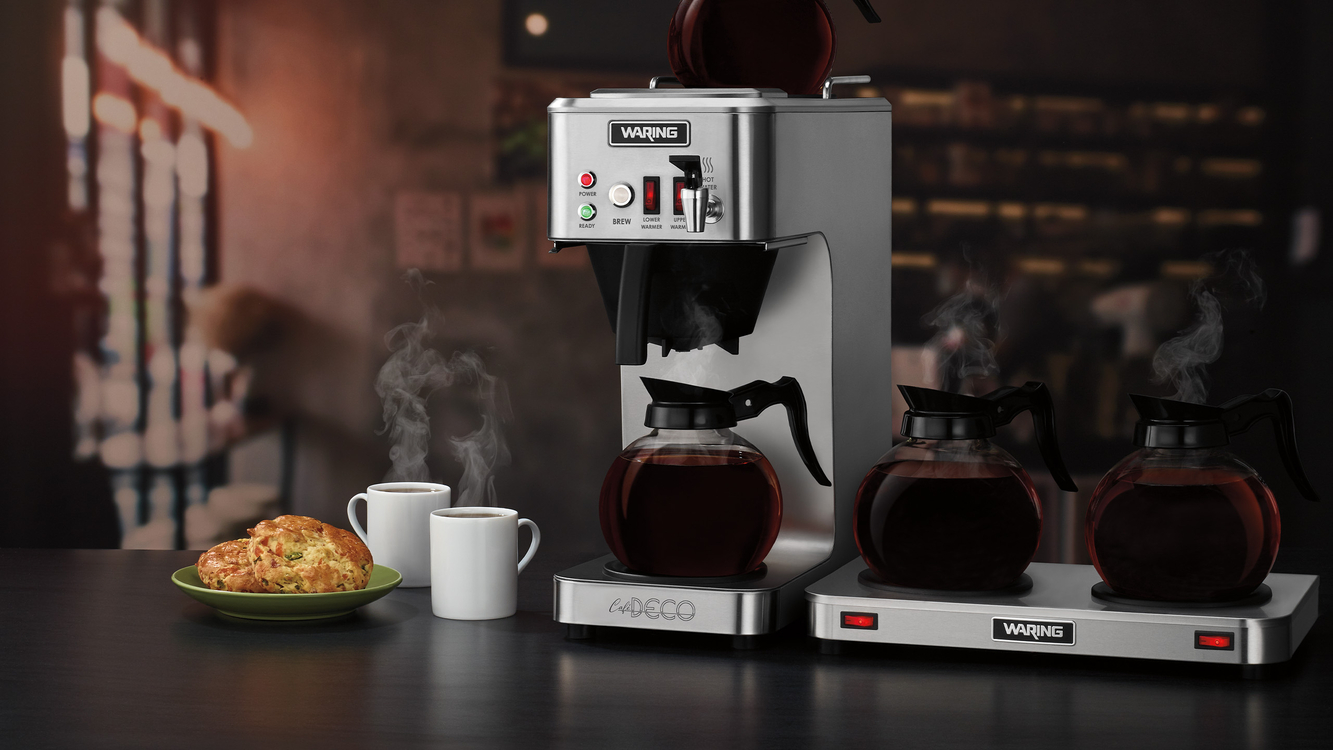
Morning service often reveals the same frustration for many cafés. Orders build quickly, but brewing speed and consistency do not always keep pace. Staff changes and unpredictable rush hours make small workflow issues more visible. A modern commercial coffee brewer is no longer just a batch machine. It now functions as a workflow system that influences drink speed, flavor stability, and operating cost. What actually limits coffee output during peak service?
The problem is rarely capacity alone. Efficiency, capacity, and brewing technology now work together to keep service consistent throughout the day. Some cafés still see flavor variation even with the same recipe. Why do certain brewers stay consistent while others struggle under pressure? Industry guidance from Specialty Coffee Association research framework and National Coffee Association industry resources shows how operational design directly affects performance and downtime.
In this blog, we explain how modern brewing systems address daily café challenges and help you understand what truly improves performance.
Why Efficiency Became the Core Metric in Commercial Brewing
Efficiency now represents operational stability rather than brewing speed alone. When your brewer manages heat, water, and timing consistently, service becomes predictable. You experience fewer workflow interruptions and less dependence on constant manual adjustment. Stable systems allow your team to focus on serving customers instead of correcting equipment behavior.
Efficiency shows up through measurable café outcomes:
- Reduced waiting time during peak service: Faster recovery between brew cycles prevents queues from forming even during sudden demand spikes.
- Predictable output across shifts: Automated controls maintain brew parameters so results remain stable regardless of operator experience.
- Controlled operating costs: Efficient heating and water use reduce unnecessary energy consumption throughout the day.
- Lower manual intervention: Programmable brewing removes guesswork, reducing inconsistencies caused by human variation.
Core Efficiency Metrics Operators Actually Monitor
Efficiency is evaluated through repeatable performance indicators you can observe during daily operation. Operators rely on measurable brewing behavior rather than advertised specifications.
Key metrics include:
- Brew recovery time between cycles: Determines how quickly your brewer returns to stable temperature after a batch.
- Energy retention through insulated systems: Prevents repeated reheating and stabilizes extraction temperature.
- Water dosing precision: Maintains consistent strength while minimizing excess water use.
- Consistency across consecutive batches: Confirms the machine performs reliably during extended service periods.
These indicators directly reflect workflow reliability.
Scaling Capacity Without Sacrificing Brew Quality
Capacity is no longer defined by maximum output alone. Modern systems focus on controlled scalability so you can increase production without introducing flavor inconsistency. Stable extraction across higher volumes keeps service smooth while maintaining drink quality expectations.
Capacity performance becomes clearer when aligned with operational needs:
| Operation Type | Capacity Focus | Practical Outcome |
| Small café | Flexible batch size | Less waste during slow periods |
| Busy café | Continuous brewing | Stable rush-hour service |
| Multi-location | Standardized output | Consistent flavor across stores |
Important operational considerations include:
- Stable extraction over speed claims: Consistency prevents quality drops during busy periods.
- Balanced batch sizing: Smaller controlled cycles often outperform oversized batches.
- Workflow alignment: Capacity should match staffing and service flow, not theoretical output numbers.
- Thermal stability under load: Equipment must maintain temperature even during repeated brewing.
Design Approaches That Enable Flexible Output
Modern brewers adjust output throughout the day instead of operating at fixed capacity. Adaptive designs allow you to respond to demand changes without disrupting workflow.
Key flexibility-focused approaches:
- Modular brewing chambers: Allow expansion or reduction of brewing volume as traffic changes.
- Multi-head brewing systems: Support simultaneous preparation of different roast profiles.
- On-demand batching: Eliminates holding coffee for long periods, improving freshness.
- Load balancing across units: Distributes workload evenly, preventing overheating and delays.
These designs help maintain consistency while scaling production.
Brewing Technology That Shapes Extraction Consistency
As output increases, brewing technology becomes essential for maintaining stable flavor. Extraction consistency depends on precise temperature control and uniform water distribution during every brew cycle. When these variables remain controlled, results stay predictable regardless of staff experience.
Consistency improvements come from controlled brewing processes:
- Automated thermal regulation: Maintains precise brew temperatures across repeated cycles.
- Programmed saturation stages: Ensures even water contact before full extraction begins.
- Flow stabilization systems: Prevent channeling and uneven extraction inside the coffee bed.
- Digital recipe repeatability: Stores brewing parameters so every batch follows identical settings.
Thermal and Water Control Innovations
Temperature and water flow remain the most influential factors affecting brewing accuracy. Improvements in these areas directly support flavor stability and workflow reliability.
Core innovations include:
- Rapid-response heating systems: Restore brewing temperature quickly between batches.
- Precision flow-rate control: Distributes water evenly across grounds for uniform extraction.
- Pre-infusion programming: Prepare coffee evenly before full brewing begins.
- Heat recovery systems: Capture excess thermal energy to reduce power consumption.
Each improvement strengthens consistency while improving operational efficiency.
Smart Systems and Predictive Operation in Modern Brewers
Automation now supports operational awareness rather than replacing barista skill. Connected systems monitor performance continuously, helping you anticipate maintenance needs before service is affected. Predictive operation reduces downtime and improves planning accuracy.
Operational advantages become visible through monitoring tools:
- Performance sensors: Track temperature behavior and brewing stability in real time.
- Predictive maintenance alerts: Identify component wear before failures interrupt service.
- Usage analytics: Reveal brewing demand patterns to improve scheduling decisions.
- Remote diagnostics: Allow calibration adjustments without manual inspection.
These systems help maintain steady production with fewer surprises.
Connected Features That Improve Daily Operations
Connectivity functions as preventative management by giving you visibility into equipment behavior. Instead of reacting to problems, you maintain performance proactively.
Important connected capabilities include:
- Predictive maintenance notifications: Reduce unexpected downtime during busy hours.
- Usage tracking and diagnostics: Provide insight into workload intensity and performance trends.
- Remote calibration and software updates: Maintain brewing accuracy without service disruption.
- Workflow or inventory integration: Align brewing volume with daily demand patterns.
These tools support consistent operations across teams and locations.
Sustainability and Resource Management in Commercial Brewing
Resource efficiency directly influences operating cost and equipment longevity. Sustainable brewing practices focus on reducing waste while maintaining consistent output. Efficient energy and water use strengthen reliability and improve long-term operational stability.
Key resource management improvements include:
- Insulated heating systems: Reduce energy loss during idle periods.
- Precision water delivery: Prevents excess usage while maintaining extraction accuracy.
- Thermal recovery processes: Reuse heat energy to shorten reheating cycles.
- Filtration compatibility: Protects internal components and extends machine lifespan.
Efficient resource use supports both sustainability goals and dependable daily service.
How Efficiency, Capacity, and Technology Work Together
When you evaluate brewing equipment one feature at a time, it becomes difficult to predict real service performance. Efficiency, capacity, and brewing technology function as one interconnected system. A brewer may produce high volume, but without thermal stability or workflow efficiency, service slows down. Balanced systems align energy control, scalable output, and extraction consistency to create reliable daily operation.
The interaction between these elements becomes clearer when viewed together:
- Efficiency systems stabilize workflow: Consistent heating and dosing prevent delays between batches, keeping service continuous.
- Scalable capacity responds to demand changes: Adaptive batching prevents overproduction while maintaining readiness during rush periods.
- Extraction control preserves flavor consistency: Stable temperature and water distribution maintain uniform results even under heavy use.
- Integrated automation reduces bottlenecks: Sensors and programmable cycles minimize manual corrections during peak hours.
The table below shows how imbalance affects operations:
| Missing Balance Area | Operational Result |
| High capacity without efficiency | Queue buildup and reheating delays |
| Efficiency without extraction control | Inconsistent flavor results |
| Technology without scalability | Underused equipment during peaks |
| Balanced system | Predictable service and steady output |
When these systems operate together, your café gains operational predictability rather than isolated performance improvements.
Conclusion
Modern commercial brewers function as adaptive production tools that support consistent service rather than simple coffee machines. Efficiency stabilizes workflow, scalable capacity manages demand shifts, and brewing technology protects extraction accuracy. When these elements operate together, uptime improves and daily service becomes easier to manage. Instead of comparing individual specifications, you benefit more from evaluating how systems perform collectively during real operating conditions.